Banaue Font: The Perfect Handwritten Typeface for Crafters
As a maker who spends hours perfecting the curve of a sticker or the alignment of text on a candle label, I know that choosing the right typeface is about more than just aesthetics. It is about communication, brand identity, and that intangible feeling of quality a customer gets when they hold your product. This is why Banaue has quickly become a staple in my digital design toolkit. It is not just another script font; it is a versatile, casual, and fun handwritten font that bridges the gap between professional polish and handmade charm.
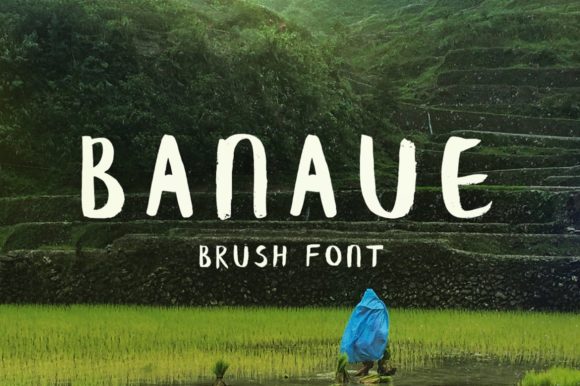
Created using a brush pen, Banaue captures the organic movement of real handwriting. It is clean enough to be legible at small sizes but quirky enough to stand out in a crowded marketplace. For those of us running small shops, creating printables, or designing custom invitations, finding a font that feels authentic without sacrificing readability is often a challenge. Banaue solves this by offering a natural flow that looks effortless, making it an ideal choice for modern typography projects that require a personal touch.
Why Banaue Works for Handmade Products
The visual personality of Banaue is its strongest asset. It strikes a delicate balance between structured and free-spirited. When you are designing for physical products, such as tote bags, mugs, or wooden signs, the font needs to hold its shape when cut or printed. Many overly decorative script fonts lose their integrity when scaled down or when the material texture interferes with the ink. Banaue, however, maintains its clarity. Its strokes are distinct, ensuring that even when used on a small product label or a intricate sticker, the message remains clear.
This clarity is crucial for brand consistency. Whether you are creating a logo for your Etsy shop or designing packaging for a new line of soaps, using a consistent font helps customers recognize your brand. Banaue serves as an excellent primary display font for logos because it is memorable yet approachable. It conveys a sense of warmth and creativity, which aligns perfectly with the values of handmade and artisanal businesses. By incorporating this creative font into your brand identity, you signal to your customers that your products are crafted with care and attention to detail.
Practical Applications for Crafters and Sellers
The versatility of Banaue allows it to shine across a wide range of crafty DIY projects and commercial applications. Here are some specific ways I have integrated this font into my workflow:
- Product Labels and Packaging: For candle makers and soap artisans, Banaue is perfect for scent names and brand tags. Its clean lines ensure that ingredients and warnings can be read easily if paired with a simpler body text, while the brand name pops with personality.
- Wedding and Event Stationery: Invitation designers will appreciate how Banaue handles names and dates. It adds a romantic, hand-lettered feel to wedding welcome boards, save-the-dates, and place cards without looking too formal or stiff.
- Digital Printables and Planner Pages: If you create digital downloads, Banaue adds a human element to printable wall art, habit trackers, and greeting cards. It makes digital files feel less like templates and more like personalized gifts.
- Social Media Graphics: In the world of online selling, your social media presence is your storefront. Using Banaue for quotes, sale announcements, or behind-the-scenes posts creates a cohesive look that ties your digital marketing back to your physical products.
- Seasonal Crafts and Signs: From farmhouse-style holiday signs to quirky birthday banners, this font adapts well to seasonal themes. Its quirky nature allows it to feel festive without being cliché.
Readability and Technical Considerations
One of the most common pitfalls when using a handwritten font is poor readability. While Banaue is designed to be legible, it is still a display font at heart. It works best for short phrases, titles, names, and decorative wording. I generally avoid using it for long paragraphs of text, as the varying stroke widths can cause eye fatigue for the reader. Instead, I reserve Banaue for the headlines and key information, ensuring that the most important parts of my design catch the eye first.
For those using cutting machines like Cricut or Silhouette, Banaue is relatively forgiving. Because the letters are connected in a natural way, you may need to weld certain characters depending on your software settings to ensure smooth cuts. However, the clean edges of the brush pen style mean that there are fewer intricate details to tear or break during the weeding process compared to more complex calligraphy fonts. Always test cut a sample piece on your specific material, especially if you are working with vinyl for small stickers or heat transfer for shirts, to ensure the spacing and size are optimal for production.
Pairing Banaue with Other Typefaces
To maximize the impact of Banaue, thoughtful font pairing is essential. Since Banaue is a expressive script font, it pairs beautifully with clean, neutral typefaces. A simple sans serif font is often the best companion, providing a modern contrast that lets the handwritten style take center stage. For example, using Banaue for a couple’s names on an invitation and a lightweight sans serif for the event details creates a balanced, professional layout.
You can also experiment with pairing it with a bold serif font for a more traditional or rustic look. This combination works well for boutique tags or coffee shop branding, where you want to evoke a sense of heritage and craftsmanship. The key is to ensure that the secondary font does not compete with Banaue. Let the handwritten font be the star, and use the supporting font to provide structure and clarity. This approach enhances the overall design assets and ensures that your message is communicated effectively.
Licensing and Commercial Use
Before integrating any new typeface into your business, it is vital to understand the licensing terms. Banaue is designed with creators in mind, but you must check the specific license included with your download. Most premium fonts offer different licenses for personal and commercial use. If you are selling physical products, templates, printables, or digital downloads, you typically need a commercial license. This ensures that you are legally covered when using the font for client work, merchandise, or any project that generates revenue. Always review the font family details to confirm what is allowed, including any restrictions on the number of units sold or the types of media used. Protecting your business starts with respecting intellectual property, so taking the time to verify your rights is a crucial step in your design process.
In conclusion, Banaue is more than just a font; it is a tool that can elevate your craft business. Its blend of casual fun and clean professionalism makes it suitable for a wide array of projects, from logos to labels. By understanding its strengths and limitations, you can use it to create designs that are not only beautiful but also effective in connecting with your customers. Whether you are a seasoned designer or a hobbyist just starting out, adding Banaue to your collection of design assets is a smart move for anyone looking to add a touch of handmade authenticity to their work.